
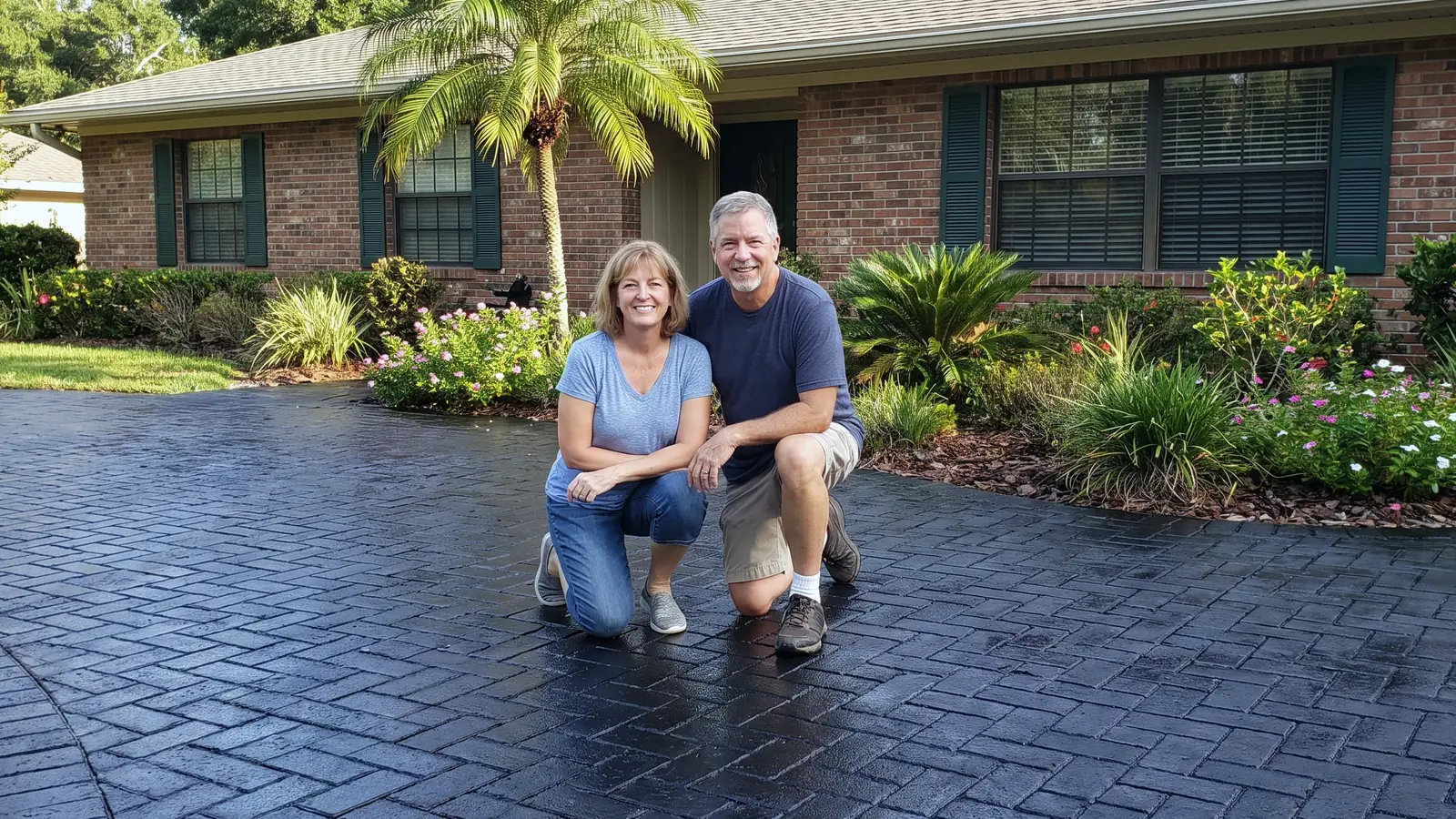
Paver sealing for Hyde Park homes
Paver Sealing in Hyde Park, FL
Hyde Park courtyards and walks, from Swann Avenue to Bayshore, can look fresh again: call (656) 254-5347.
- Brings out deeper paver color
- Fresh joint sand helps lock pavers in place
- Gives weeds less room to grow
- Makes the surface easier to keep clean
- Free estimate, no obligation
Request a Free Estimate
Free, no obligation.
Fast, careful paver sealing in Hyde Park
Paver sealing in Hyde Park starts with a free price from a local contractor, who replies within 1 business day and usually much sooner. Courtyards, front walks, driveways and patios all get washed, re-sanded and sealed by the contractor. To book a visit, call (656) 254-5347.
Picture a brick-red courtyard gone dull and mossy, with joints open between the old stone. After a wash, fresh sand and a new coat, that small space glows with one warm color. If you would like to put it in writing first, you can send the short estimate form.
Hyde Park was platted in the 1880s, and its homes range from Queen Anne cottages to Craftsman bungalows and Tudor estates. Paving behind those houses is usually small and tucked away. A sealing visit here is a careful, close-up job, so call (656) 254-5347 and describe your courtyard.
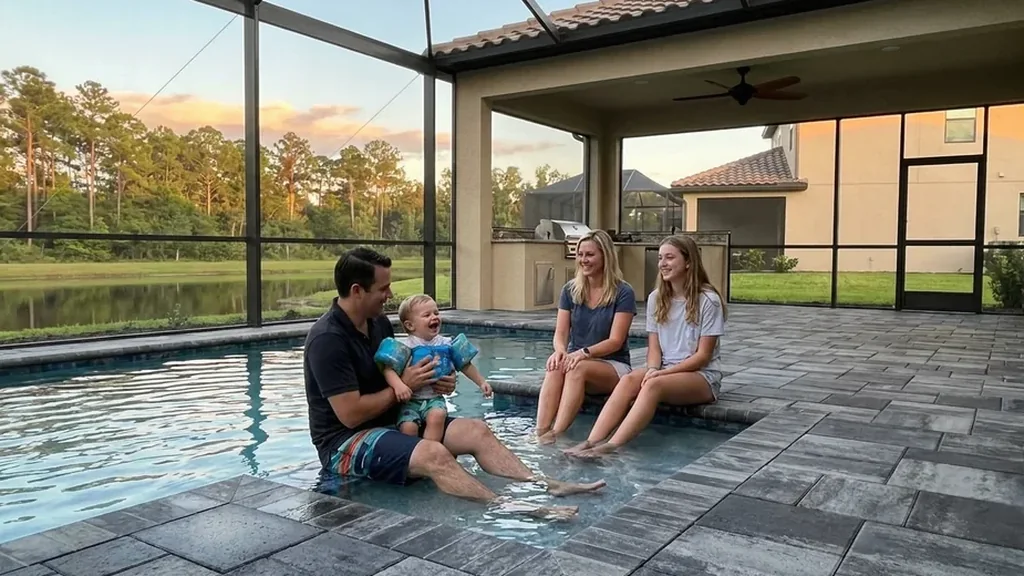
Why hire a local paver sealing contractor in Hyde Park?
Hyde Park lots are small, old and close together, so a paver job here has less room for mistakes than one on a wide suburban drive. Someone who works the neighborhood plans for that, so send the short estimate form and ask how.
A free look at your courtyard
A contractor inspects your Hyde Park pavers for free and writes the price down before you decide.
A range to compare
A published Tampa Bay price range is a fair test for any Hyde Park quote.
A sheen that suits old homes
Matte keeps pavers quiet beside Craftsman and Tudor fronts. Wet look adds depth to color and shows scuffs earlier.
Your house, your decision
You pick the date, the finish and whether to go ahead. Asking for a Hyde Park estimate carries no obligation.
Get Your Free Estimate in Hyde Park
Tell us about your pavers in Hyde Park.
Free, no obligation
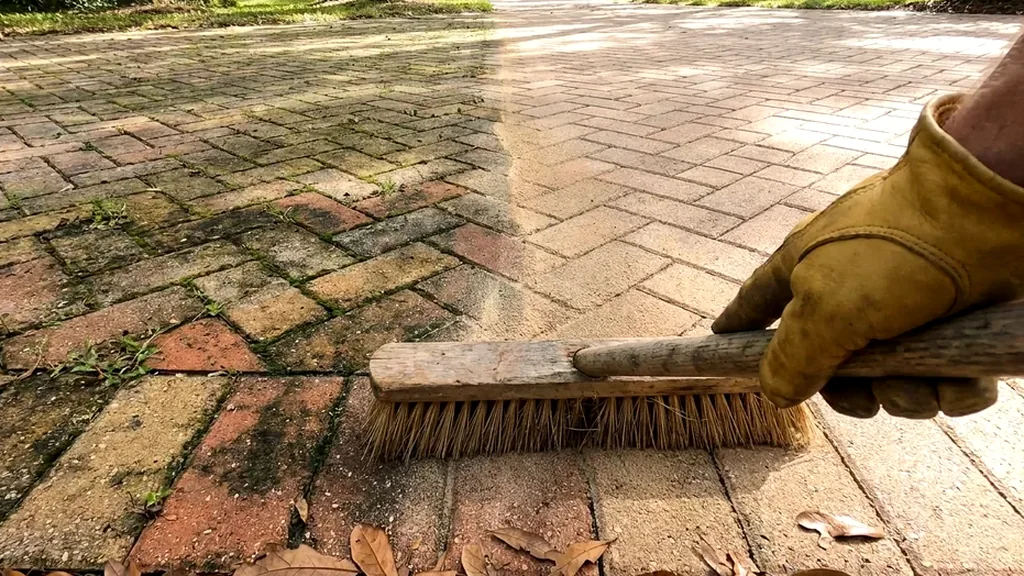
What paver problems show up most in Hyde Park?
Moss and green film in tight courtyards
Hyde Park lots are small, and homes sit close to their neighbors. A courtyard or side walk between two houses can stay shaded and damp for much of the day. Tampa's summer humidity and rainy season add to it. Stone that stays wet grows green or black film first. The film has to be washed away before any coat goes on. Plant roots and rooted shrubs next to the wall add shade and drip to the same corner. Moss rarely stays in one spot, so it spreads along the damp seam. Early cleaning keeps it from moving across the whole courtyard. A small patch cleans easily, and a large one needs a second pass. The moss tends to start where two walls meet, since that corner gets the least air and the least sun. A small, gentle wash with a soft brush attachment lifts it without scouring the stone.
Joint sand lost in summer rain
Frequent afternoon storms arrive between late May and early October. Hard rain pulls sand out of paver joints, especially on short runs that drain toward a drain or a wall. Gaps in the seams let weeds in and stones tilt. New sand belongs in every proper job. Short runs matter here, because a small courtyard has less room for water to leave. Where the slab sits lower than the house, rain can stand in the joints and loosen the sand. Pavers that tilt a little near a drain are a clue to missing sand. Replacing sand early costs far less than lifting and resetting stone. Courtyards on old lots often drain toward one low point, where water pauses before leaving. That point is where sand empties first and where weeds start first.
Stains from old brick, planters and masonry
Many Hyde Park homes are historic, and their walls, steps and planters sit right beside the pavers. Brick dust, mortar and plant runoff can leave marks on nearby stone. Those marks need gentle handling, since strong rinse water can harm old masonry. The contractor chooses wash settings with the wall in mind.
Rust from sprinkler spray
Iron is common in Florida well water, say specialists at the University of Florida, and orange streaks often come from irrigating with it. Where a sprinkler reaches a front walk or a patio, rust fans can build up over a season. Rust gets treated in the wash, since a coat would hold it in place. Point them out at the first visit. Aim spray heads a few degrees off the stone to slow new marks. Mark the worst fans for the contractor before the wash.
An old coat no one can name
Hyde Park homes have been through many owners since the 1880s, and pavers may have seen several sealers. A water-based sealer cannot be put over a solvent-based coat. The contractor has to identify the old product before choosing the next. A test spot in a corner shows how the stone behaves. Keep any receipts or product names you find in the garage. They help the contractor pick a safe product. If nothing turns up, a patch of water on the stone shows whether a coat is still there.
Does paver sealing differ between Bayshore, Swann Avenue and SoHo?
It can, because each part of Hyde Park has its own mix of homes, lot sizes and shade. Near Bayshore the homes sit close to Hillsborough Bay, where the air stays humid. On Swann Avenue the lots are small, and nearby Hyde Park Village draws foot traffic. When you send the short estimate form, say which part of Hyde Park you call home.
Swann and Rome Avenues once carried a streetcar line, and both are wider than most streets in the neighborhood. Bungalow Terrace, on Swann Avenue between Rome and Packwood, has Craftsman bungalows on small lots around a common sidewalk. Small garages there open onto rear alleys, so the pavers behind a bungalow are tucked into tight corners. Call (656) 254-5347 and describe where your pavers sit.
Hyde Park's historic districts were listed on the National Register of Historic Places in 1985 and cover 560 acres. Whether your block carries any local rules for exterior work is a question for the City of Tampa. A short call to the city before a color change can save trouble. Once you know, send the short estimate form and choose a finish.
Bungalow Terrace is a good example of how small Hyde Park paving can be. Nineteen California bungalows share a common sidewalk, and their garages open onto rear alleys. A pergola 345 feet long once framed the walk, and it came down in 1924 because the bougainvillea on it caused rot. If your lot has a shared walk, send the short estimate form and mention it.
What does paver sealing cost in Hyde Park?
Tampa Bay companies quote $1.50 to $2.50 per square foot for the entire clean, sand and seal. A Hyde Park courtyard is small, so the total is often modest, though a small job can carry a higher per-foot price. Moss, rust and old coats shift the price inside the range. To get a number for your pavers, send the short estimate form and request the area in writing.
Access matters on old lots, since gear may have to be carried through a side gate or an alley. A wet look finish uses more solids than matte, which raises the bill. Pavers near old masonry may need gentler, slower washing. Ring (656) 254-5347 and the contractor can walk through which of these apply to your home.
Small spaces do not always mean small bills. A tight courtyard needs hand tools, slow washing and careful sweeping, and the setup time is the same as for a larger drive. Bungalow-style lots with alley garages can be tricky to reach with equipment. Phone (656) 254-5347 and ask for a quote that lists the setup separately.
| Paved area | Typical example | Clean, sand and seal |
|---|---|---|
| 300 sq ft | Small patio or walkway | $450 to $750 |
| 600 sq ft | Two car driveway | $900 to $1,500 |
| 1,000 sq ft | Large driveway or pool deck | $1,500 to $2,500 |
| 1,500 sq ft | Driveway plus pool deck | $2,250 to $3,750 |
Math based on the $1.50 to $2.50 per square foot that Tampa Bay paver companies publish. Your contractor sets the actual price after seeing the surface. Repairs, leveling and stripping failed sealer are usually extra.
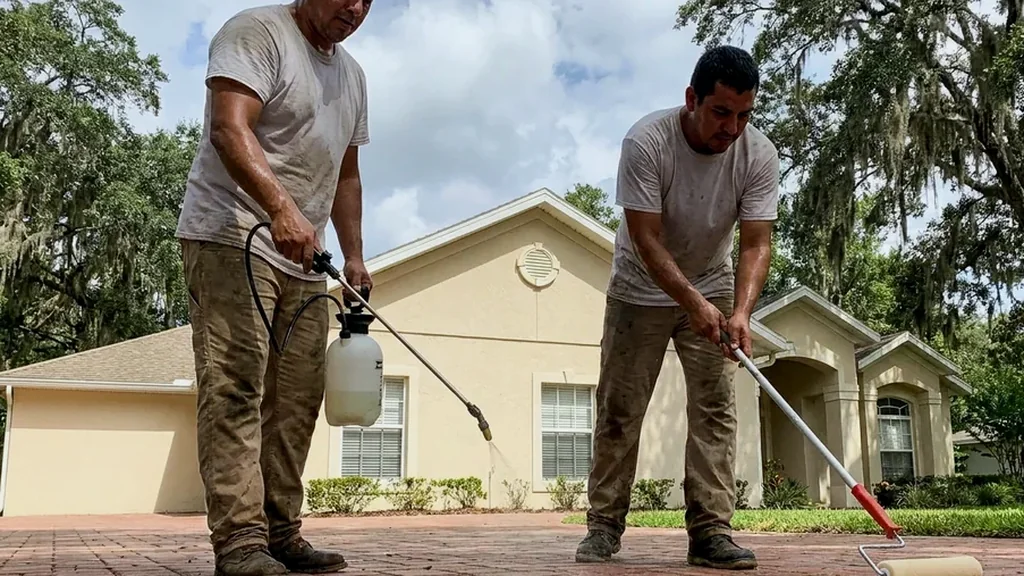
How does a paver sealing job work in Hyde Park?
Walk the property and read the walls
A slow lap covers the courtyard, walks and any driveway. The notes track drainage, shade, nearby masonry and signs of an older coat. Since water-based sealer cannot go over solvent-based, the old product is named first. Walls and planters beside the stone get checked for how much rinse they can take. Snapshots of the trouble spots help the estimate hold up. If a wall or planter looks fragile, say so before the visit. The contractor writes notes that guide every step that follows, so nothing surprises you on the day.
Wash gently near old masonry
Washing lifts moss, green film and dirt from the stone. Settings stay low near old brick and mortar, and sprinkler rust is treated on its own. Plants and doors are covered, and runoff is directed away from foundations. Sealer only goes onto clean stone. A wet look needs a clean, dry surface, and a tight courtyard gives dirt few places to go. Rinsing runs from the high edge to the low one, so dirty water never returns over clean stone. Doors, plants and gates are covered where needed.
Fill the joints with new sand
After washing takes out the joint sand, the contractor puts fresh sand back before the coat. Joints are filled, swept and set. Tight seams discourage weeds and hold the edges. On a small courtyard this step is quick and makes a large difference. On a small courtyard the joint work is quick, and a second pass of sand leaves the surface level and firm. Full joints also keep chair legs from catching an open seam. Ants like loose sand, so a tight joint helps there too.
Wait for dry stone
Wet stone cannot be sealed, and shaded Hyde Park courtyards can stay damp long after a storm. A careful hand waits instead of coating damp stone. Storms arrive most afternoons between late May and early October. Mornings tend to give the longest dry stretch. If rain comes in, the date shifts and nothing extra is charged. A courtyard between houses may need an extra day to dry. The stone itself says when to begin.
Walking and parking after the seal goes on
Even passes lay the coat across the whole courtyard. Wet look shows scuffs before matte does. Many firms say to plan on two to five years before a new coat. A Tampa Bay firm lets feet back on at about a day and cars after two to three days. Pets, planters and patio chairs wait off the stone until the contractor says the coat is ready. Note the sealer name and the date. That record simplifies the next coat. Walk the courtyard once the coat is on and check the edges beside steps and planters. Those are the spots a brush or a roller reaches last.
Complete paver services in Hyde Park
A Hyde Park job has four parts: the wash, the sand, a dry wait and the coat. The wash lifts moss and green film. Once the stone is clean, new sand goes in and the coat follows. To learn how long each stage runs at your address, call (656) 254-5347.
Courtyards, front walks and rear patios behind old homes each wear in their own way. Shaded corners go green first, and spots near planters pick up stains. A short drive near Bayshore takes tires and sun. List the surfaces you have when you send the short estimate form.
Sealer comes as water-based or solvent-based, and either type can be matte or wet look. If an earlier coat was solvent-based, a water-based product cannot follow it. In one Clearwater company's words, clear coat looks natural and wet look deepens color. Phone (656) 254-5347 to go over the choice.
Weather picks the date. A summer afternoon storm can move a job by a day or two, and shaded courtyards dry last. Early starts help. send the short estimate form and ask for a date that fits the forecast and your schedule.
Questions to ask before you hire
- Can we start with the driveway and add the lanai or the walkway later?
- How many gallons of sealer will my square footage take, and how many coats go down?
- Is the sealer you use made for full Florida sun, and will it turn yellow over time?
- Salt air blows in off the bay. Does that change which sealer you pick?
- Can you tell if a past owner already sealed these pavers, and does that change the plan?
- Do you start early in the day to stay ahead of the afternoon heat and rain?
- What shows on the written estimate besides the price and the sealer name?
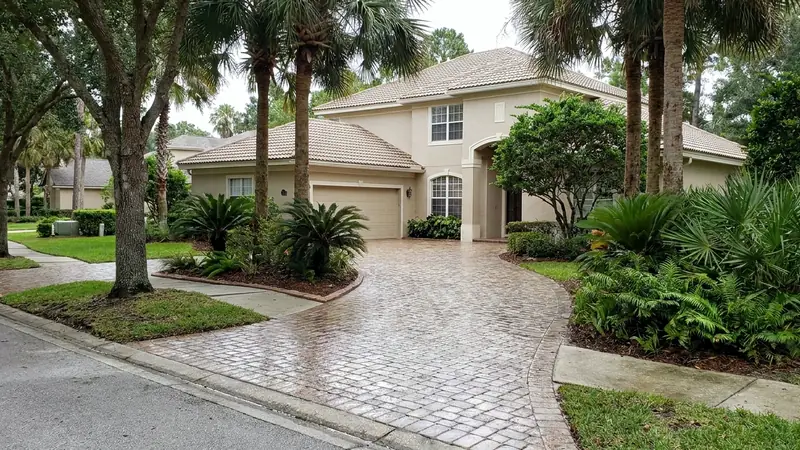
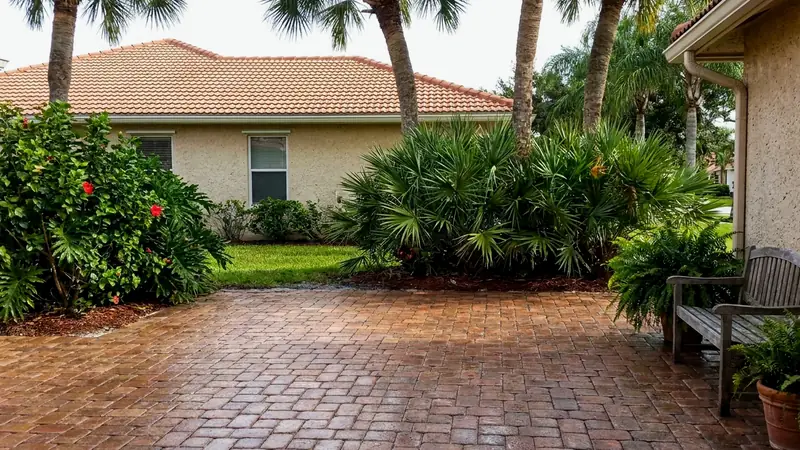
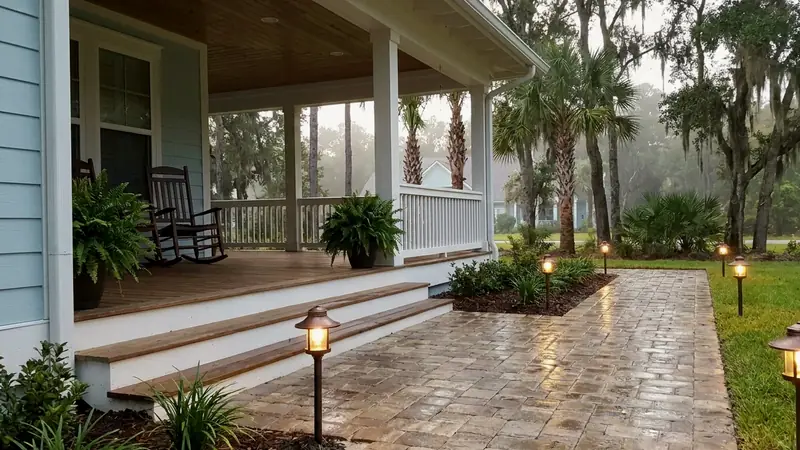
What do sealed pavers look like around Hyde Park?
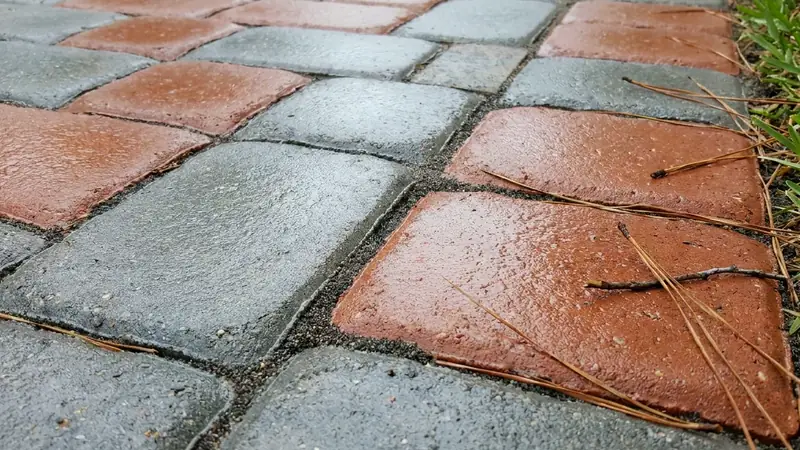
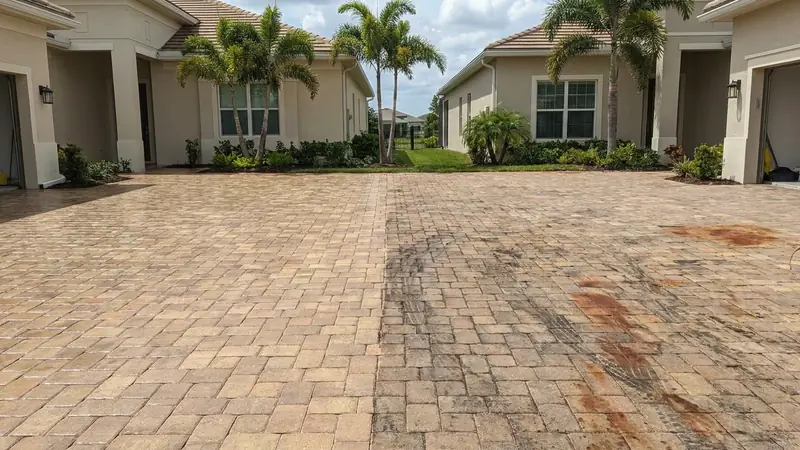
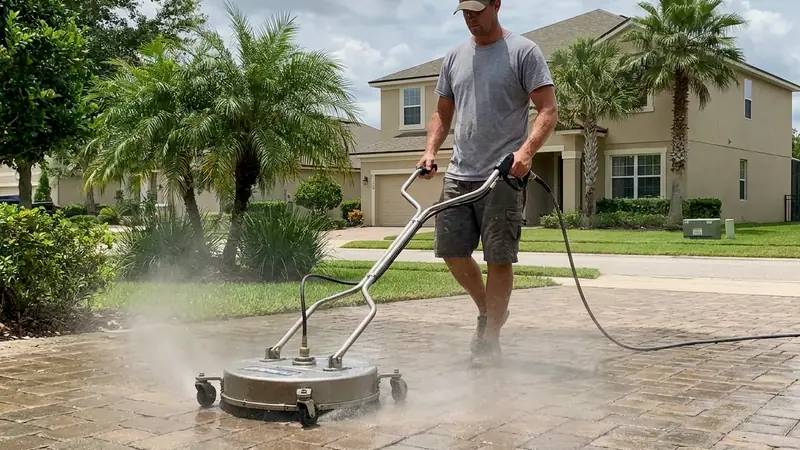
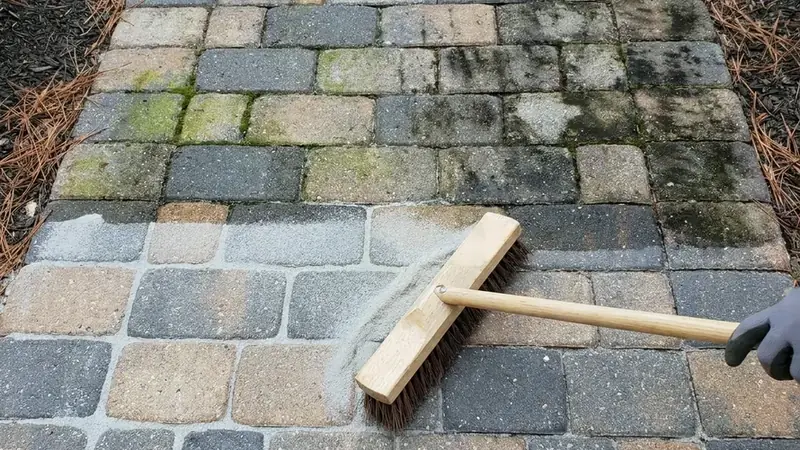
Why local matters in Hyde Park
A contractor who knows Hyde Park knows the homes are old and the lots are small. That changes how gear is carried and where rinse water runs. Someone from outside may set up as if every lot were wide open. To reach someone who works the neighborhood, call (656) 254-5347.
Knowing the street layout counts too. Swann and Rome Avenues are wider than most, Bayshore runs along the bay, and many alleys carry the garage traffic. A contractor here can plan the day around parking and deliveries. You can send the short estimate form and ask how a visit would fit your block.
Older homes need care, since brick, mortar and plant beds sit beside the pavers and strong rinse water can harm them. A local contractor chooses settings with the wall in mind. Finish and date are your choice. To talk it over, send the short estimate form and describe your walls.
Hyde Park sits next to Downtown Tampa and the University of Tampa, so a contractor working the central city reaches it fast. Parking on narrow streets is the real challenge, and a local pro plans for it. Alley access may help on some lots. To arrange a visit, send the short estimate form and say where a truck could park.
What is the story behind Hyde Park's older streets?
Hyde Park began in the 1880s, after railroad financier Henry B. Plant bridged the Hillsborough River where Kennedy Boulevard runs today. The first house went up in 1882 on Morrison Avenue, and Queen Anne and Colonial Revival homes followed in Tampa's first western suburb. If your home dates from that era, send the short estimate form.
Peter O. Knight's cottage dates to 1887, John Gorrie School to 1899 and the Hutchinson House to 1908. Bayshore Boulevard runs along Hillsborough Bay with a sidewalk 4.5 miles long and 10 feet wide. From any of the spots named here, phone (656) 254-5347 and give your street.
Other landmarks sit within walking distance of one another. The Morrison House dates to 1885, the Taliaferro House to 1890 and the Leo Weiss House to 1929. SoHo, named for South Howard Avenue, runs from Kennedy Boulevard down to Bayshore, and Hyde Park Village sits near Swann and Rome Avenues. Call (656) 254-5347 and name the closest landmark to your home.
Frequently Asked Questions
What do you seal concrete pavers with in Hyde Park?
The choice is between water-based and solvent-based acrylic, in a matte or a wet look finish. Water-based sealer will not bond to a solvent-based coat, so the old product decides. In one Clearwater company's words, clear coat gives natural protection and wet look deepens color. Have the sealer named on your estimate. Have the finish and sheen written on the estimate. A small test patch costs little and shows how the sealer looks on your stone. That way the choice is yours.
How long does wet look sealer last on pavers in Hyde Park?
Two to five years between coats is the usual quote, and wet look scuffs show earlier than matte scuffs. One Tampa Bay firm says most surfaces call for resealing every 3 to 5 years. Sunny driveways sit near the short end. Ask for a date on your coat. Ask whether your pavers face full sun or deep shade, since that changes the interval. That date makes planning the next coat simple. Keep the sealer name in your home records. A quick call to the city's permit line can tell you whether a project in your block needs review, and the answer is worth saving.
Is it better to spray or roll paver sealer?
Both methods suit dry stone with even coverage. A company in Clearwater describes spraying sealer evenly over the stone. Ask how the sealer works into the joints and how the contractor checks coverage. Good work looks even on each stone. Ask how coverage is checked afterward. Courtyards are small enough that an uneven spot shows right away.
How often should I seal pavers in Hyde Park?
Plan on a two to five year gap between coats, a span companies often quote. Shaded courtyards can grow algae sooner, and sunny drives fade sooner. Have the coat date noted so the next one is easy to plan. Algae can return sooner under heavy shade, so look the stone over every spring. Drives in full sun point to the short end. Match the interval to what you see on the stone.
How much does it cost to seal pavers per square foot in Hyde Park?
At $1.50 to $2.50 per square foot, published Tampa Bay prices cover the whole clean, sand and seal. Small jobs carry a higher per-foot price because setup is spread across less stone. Ask for the measured area on paper. Small courtyards often total less, though the per-foot price can climb. Put the area of each surface on its own line. Estimates cost nothing and come in writing, so compare at least two.
Does Hyde Park's historic status change paver work?
Possibly. The Hyde Park districts were listed on the National Register of Historic Places in 1985. Whether your block has local rules for exterior work is a question for the City of Tampa. Ask before a color change. A phone call to the city is free and clears up the question. Keep the answer with your records. The contractor can then match the finish you are allowed to use. If your block is in the historic district, keep the date and name of whoever you spoke with at the city.
Will sealing hurt my old brick walls?
No, if the wash is gentle and the rinse is directed away from old masonry. Strong water can harm old mortar and brick. A careful contractor sets the wash for the weakest surface nearby. Point out fragile walls at the first visit. Point out fragile walls, loose mortar and old planters at the first visit. The contractor can lower the wash settings and shield the wall. Ask how rinse water will be steered away from the foundation.
How soon can I walk on a sealed Hyde Park courtyard?
A Tampa Bay company says feet can come back within a day. Cars should wait 48 to 72 hours on a driveway. Rain or shade can stretch the wait. Your contractor can give the exact window. Plan around the window so the car stays parked on the street and not on the drive. Damp, shaded stone may need more hours. Check the stay-off time with the contractor on the day.
Ready for a Free Estimate in Hyde Park?
Call (656) 254-5347 and tell us about your pavers.
Free, no obligation